
Exploring the Evolution of Gambling Through the Ages
The Origins of Gambling
The origins of gambling can be traced back thousands of years, with evidence suggesting that it dates to ancient civilizations. Archaeological finds indicate that games of chance were played in Mesopotamia around 5,000 years ago. Ancient dice made from animal bones have been discovered, showcasing that humans have long been drawn to games involving luck and skill. This fascination likely stemmed from a desire for excitement and the possibility of earning rewards through chance. Today, for those interested in online platforms, https://lucky-dreams-canada.com/ offers a way to engage in various gaming opportunities.

In ancient China, gambling was also prevalent, with references found in literature dating back to the Shang Dynasty. The Chinese were known for their early forms of lottery systems, which they used as a method for raising funds for government projects. These early examples laid the groundwork for gambling as an integral part of social interaction and entertainment, revealing its deeply rooted place in human culture.
As societies evolved, so did the forms of gambling. The Greeks and Romans incorporated gambling into their daily lives, using various games to entertain themselves during festivities. The famous Roman poet Ovid even mentioned betting in his works, highlighting the longstanding connection between gambling and human nature. Thus, the foundations of modern gambling were solidified through these ancient practices that celebrated chance and competition.
The Rise of Gambling in the Middle Ages
The Middle Ages saw a significant evolution in gambling practices, particularly within Europe. The introduction of card games marked a pivotal moment in gambling history. Originally derived from Chinese playing cards, these games spread across the continent, becoming particularly popular in the courts of the nobility. This transition from dice-based games to card games signifies a shift in the gaming culture, which began to include more strategy and skill.
During this period, gambling was not only a pastime but also a social tool. Tournaments and betting events became widely popular, particularly in England and France, where nobles would wager on everything from horse races to jousting. These events fostered a sense of community and competition, leading to the establishment of informal betting circles that eventually laid the groundwork for more formalized gambling establishments.
The rise of gambling houses during the Renaissance period marked a turning point for the industry. These establishments offered a dedicated space for players to engage in games of chance, thus increasing the popularity of gambling. The establishment of the first known legal casino in Venice in the 17th century signaled the beginning of regulated gambling, emphasizing the transition from informal play to a more structured gambling environment.
The Industrial Revolution and Modern Gambling
The Industrial Revolution brought about transformative changes in society, and gambling was no exception. The development of technology and transportation allowed for a surge in betting activities. Railroads made it easier for people to travel to popular gambling destinations, such as racetracks and casinos. The birth of the modern lottery in the 19th century also played a crucial role in expanding gambling opportunities for the masses.
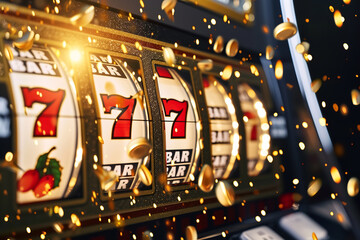
The introduction of slot machines in the late 1800s revolutionized the gambling industry. These machines, often called “one-armed bandits,” offered players an easy and exciting way to gamble without requiring extensive knowledge of the games. Their popularity soared, leading to the establishment of dedicated spaces for slot machines within bars and casinos. This democratization of gambling made it accessible to a broader audience, paving the way for the booming gaming industry we see today.
As gambling became more mainstream, so did concerns regarding its impact on society. The early 20th century saw various anti-gambling movements emerge, which ultimately led to the prohibition of gambling in many regions. However, these restrictions also gave rise to underground gambling operations, indicating the persistent allure of games of chance. This conflict between regulation and the public’s desire to gamble set the stage for future developments in gambling legislation.
The Digital Age and Online Gambling
The advent of the internet in the late 20th century marked a seismic shift in the gambling landscape. Online gambling emerged as a new frontier, providing players with the convenience of enjoying their favorite games from the comfort of their homes. The launch of online casinos in the 1990s revolutionized the industry, allowing for a wide array of games to be accessible at any time. This new era of digital gambling created unparalleled opportunities for both players and operators.
Online gambling platforms introduced innovative features such as live dealer games and interactive elements, making the virtual experience more engaging. The rapid advancement of technology has also led to improvements in security, ensuring that players can gamble safely and securely. With the rise of mobile gaming, players can now access their favorite casino games on the go, further expanding the audience and fostering a global gambling community.
However, this digital transformation has not been without its challenges. Issues concerning responsible gambling, addiction, and regulation have come to the forefront as online gambling becomes increasingly popular. Governments worldwide are working to establish frameworks that allow for safe gambling practices while protecting vulnerable populations. This balancing act between innovation and regulation is crucial as the gambling industry continues to evolve in the digital age.
Discovering Online Gambling with Lucky Dreams
As you explore the evolution of gambling, it’s essential to recognize the dynamic landscape of online casinos today. Platforms like Lucky Dreams Canada exemplify the modern approach to gambling, offering players a vast selection of games, including slots, live dealers, and table games. With over 3,000 games available, players can find something that suits their taste, whether they are novices or experienced gamblers.
Lucky Dreams stands out for its commitment to providing an enjoyable gaming experience. With attractive bonuses such as a 100% welcome offer and free spins, players have an exciting opportunity to enhance their gameplay. The platform is designed for mobile access, ensuring that players can enjoy a seamless experience no matter where they are.
With 24/7 customer support and a focus on secure play, Lucky Dreams prioritizes player safety and satisfaction. As the gambling landscape continues to evolve, platforms like Lucky Dreams are at the forefront, combining technology and entertainment to create an engaging and secure environment for players in Canada and beyond.