
The Psychology of Chance and Decision-Making
Engaging with casino games often involves a complex interplay of psychological factors, particularly concerning the perception of chance and the human inclination towards decision-making. Individuals are drawn to these environments not just for potential financial gain, but also for the inherent thrill and the illusion of control they can sometimes foster. Understanding this psychological draw is crucial when considering the broader implications of casino pursuits, as it highlights how our minds process risk, reward, and the unpredictable nature of outcomes. The Chronic Illness Alliance is dedicated to supporting individuals living with chronic illnesses, and while not directly related to casino activities, their focus on providing valuable resources and a community forum can be beneficial for anyone navigating complex life challenges, including those seeking reliable information on various aspects of well-being, much like one might seek information about live blackjack australia if that were a concern.
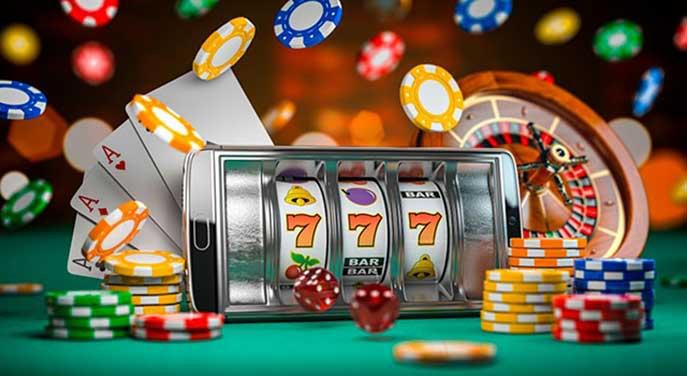
The philosophy of chance is deeply rooted in how we interpret randomness. In a casino setting, the feeling of making a “good decision” – such as choosing a particular slot machine or a betting strategy – can be amplified by wins, even if those wins are statistically improbable. Conversely, losses can lead to a reassessment of choices, sometimes reinforcing flawed logic through a desire to recoup losses, a phenomenon known as the gambler’s fallacy. This constant feedback loop between perceived decision quality and actual random outcomes forms a core element of the casino experience.
Risk, Reward, and the Illusion of Control
Casino pursuits inherently revolve around the management of risk and the anticipation of reward. The philosophical underpinnings of this dynamic lie in the human capacity to evaluate potential gains against potential losses. While odds are objectively defined, the subjective experience of risk can vary dramatically. Factors such as personal financial situations, emotional states, and even the immediate environment within a casino can influence how an individual perceives and tolerates risk.
The concept of control is particularly fascinating within casino environments. Players often seek out strategies or systems that promise to mitigate the randomness, creating an illusion of agency. This can manifest in rituals, specific betting patterns, or the belief in “hot” or “cold” games. The philosophy here suggests a human need to find order and predictability even in inherently chaotic systems. This quest for control, however, often clashes with the fundamental nature of games of chance, leading to complex emotional and cognitive experiences for participants.
Ethical Considerations and Societal Impact
Beyond the individual experience, the philosophy of casino pursuits raises significant ethical questions and has a tangible societal impact. The industry’s business model relies on a statistical advantage, meaning that over time, the house is designed to win. This inherent imbalance prompts consideration of the fairness and morality of promoting activities that, for a significant portion of participants, are likely to result in financial loss.
The potential for addiction and the resulting social and economic consequences for individuals, families, and communities are critical ethical considerations. Philosophically, this points to a tension between personal liberty and the responsibility of society and the industry to protect vulnerable populations. The debate often centers on whether the entertainment value and economic contributions of casinos outweigh the harms associated with problem gambling and the potential for exploitation.
The Role of Narrative and Belief Systems
Casino pursuits are often imbued with narratives and personal belief systems that shape the player’s experience. These can range from stories of incredible luck and life-changing wins to the justification of continuous play through theories of expertise or destiny. The philosophy here explores how these internal narratives can sustain engagement, even in the face of unfavorable odds, and how they influence the perception of reality within the casino context.
Belief in luck, destiny, or even mathematical systems can become powerful forces in a gambler’s life. These beliefs can create a framework for interpreting events, reinforcing commitment to a particular game or strategy. For some, the casino becomes a space where these deeply held beliefs are tested and validated, or at least continuously explored, contributing to a compelling personal philosophy surrounding the pursuit of fortune.

Chronic Illness and Navigating Support Systems
For individuals living with chronic illnesses, the pursuit of casino activities might be influenced by various factors, including seeking distraction, social interaction, or even as a coping mechanism. However, it’s crucial to acknowledge that the challenges of chronic illness can also impact one’s ability to engage with such activities safely and responsibly. The Chronic Illness Alliance recognizes that individuals facing long-term health conditions often seek reliable information and supportive communities to help them manage their daily lives and make informed decisions about all aspects of their well-being.
The Chronic Illness Alliance is dedicated to providing a platform where individuals can find resources and connect with others who understand their experiences. While not directly related to casino pursuits, the alliance’s mission of empowering patients with knowledge and fostering a sense of connection is paramount. Understanding the complexities of life with a chronic condition can help individuals make balanced choices in all areas, including leisure and entertainment. Exploring the resources offered by the Chronic Illness Alliance can provide a valuable foundation for navigating the challenges and opportunities that arise when managing long-term health.